Uses of Technology in the Classroom for Students in 2026
Published: 1 Nov 2025
Technology has changed how we live, work, and learn every day. It is now an important part of modern education. In classrooms, it helps both teachers and students make lessons simple and fun. Instead of using only books and chalkboards, teachers now use videos, pictures, and games to make learning more exciting. Digital tools like smartboards, tablets and computers help students understand lessons better and faster.
Technology also allows teachers to explain topics clearly through animations and real life examples. Students can watch short educational videos, take online quizzes, and join virtual classes that make study more interesting. It keeps them active and helps them learn at their own pace. Using technology in classrooms not only improves learning but also builds digital skills needed for the future. It makes education creative, interactive, and enjoyable for both teachers and students.The uses of technology in the classroom make learning more interesting for students.
What Is Classroom Technology?
Classroom technology means using digital tools like computers, tablets, projectors and the internet for teaching and learning. It helps students understand topics faster and keeps them active in class. For example, when teachers use smartboards instead of chalkboards, students can see animations and pictures that explain lessons clearly. It also saves time and makes learning more enjoyable for everyone. The uses of technology in the classroom help students understand topics quickly.
Why Technology Is Important in the Classroom
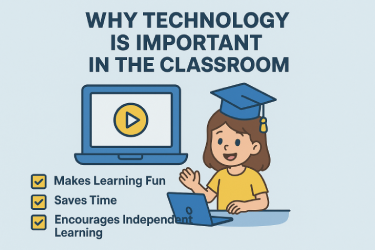
Technology plays a key role in modern learning. It helps students explore new ideas, and teachers can explain lessons easily. Digital tools also make study interactive and less boring. With just one device, students can read, watch, and even practice what they learn. Let’s see some simple reasons why it matters.
1. Makes Learning Fun
Learning becomes more enjoyable when students use tablets or computers. Educational videos, games, and quizzes keep them active and curious. For example, a short science animation showing plant growth is more interesting than reading a long text in a book. Fun learning helps students stay focused longer.
2. Saves Time
Technology saves time for teachers and students. Teachers can prepare lessons faster using digital slides or apps like Google Classroom. Students can complete and submit homework online. This saves printing time and makes the process smooth and quick. It also helps teachers track performance without extra paperwork.
3. Encourages Independent Learning
Technology helps students learn at their own pace. If a topic feels difficult, they can pause a video, rewatch it, or search online for more examples. This builds self-confidence and helps them understand lessons better. Independent learning also encourages responsibility and curiosity in students.
4. Connects Learning with Real Life
With technology, students can link lessons to the real world. For example, when studying about the solar system, they can watch NASA videos to see planets in action. This helps them understand how classroom topics exist in daily life. Real-world examples make learning more meaningful and memorable.
Simple Uses of Technology in the Classroom
There are many easy ways technology helps in classrooms daily. Both teachers and students can use it to make learning faster and more interesting. Here are some simple and common examples.
1. Smartboards
Smartboards are modern boards that let teachers write, draw, and show pictures easily. Students can also come forward to solve questions. This makes learning interactive and fun because everyone gets a chance to take part.
2. Online Classes
When students cannot attend school, online classes help them continue learning from home. Tools like Zoom and Google Meet make it easy to attend lessons, share screens, and ask questions in real-time. It keeps education going even when schools are closed.
3. Educational Apps
There are many free and fun apps that make studying easier. Apps like Khan Academy, Duolingo, and Quizizz help students practice subjects like math, science, and languages. These apps turn learning into a game, which keeps students motivated to study.
4. Multimedia Presentations
Teachers use PowerPoint slides, images, and short videos to explain topics better. Visual learning helps students understand quickly because they see and hear the lesson. For example, watching a short video about volcanoes is more helpful than reading only text.
5. Online Quizzes
Online quizzes make learning fun and fast. Students can check their knowledge right away. Teachers also get instant results that help them see who needs more practice. These quizzes save time and keep lessons engaging.
Benefits of Technology in the Classroom
Technology offers many benefits for both teachers and students. It improves learning quality and builds important skills that are useful beyond school. Let’s explore some key benefits below
1. Better Understanding
Pictures, videos, and animations help students understand topics more deeply. For example, watching how a volcano erupts makes science easy to remember. Technology brings lessons to life, helping students stay interested and learn faster.
2. Teamwork and Communication
With technology, students can work together on group projects even from home. Tools like Google Docs and Microsoft Teams allow them to share files, discuss ideas, and complete tasks together. It teaches teamwork and communication skills.
3. Easy Access to Information
The internet is full of useful knowledge. Students can search for any topic instantly. This saves time and allows them to learn more than what’s written in textbooks. It helps develop research and thinking skills.
4. Helps Teachers Track Progress
Teachers can use digital tools to check each student’s progress. Apps and online systems show who understands the lesson and who needs extra help. This helps teachers plan lessons better and guide every student individually.
5. Improves Digital Skills
Students who use technology in classrooms learn to type, search, and use tools properly. These digital skills are important for future studies and jobs. Early practice helps them feel confident with computers and software.
Real-Life Examples of Technology in Classrooms
Let’s look at some real examples of how schools use technology to make learning better.
Example 1: Virtual Field Trips
Some schools use VR headsets to take students on virtual trips. They can visit the Great Wall of China or the ocean floor without leaving class. This makes learning fun and realistic.
Example 2: Online Assignments
Many schools now use Google Classroom. Teachers upload lessons, notes, and homework online. Students complete and submit their work easily. Feedback is quick, which helps students improve faster.
Example 3: Language Learning Apps
Apps like Duolingo help students learn new languages with fun lessons and voice practice. It helps improve pronunciation and listening skills while keeping learning enjoyable.
Example 4: Digital Science Experiments
Teachers use simulation software to show science experiments safely. For example, chemistry reactions can be shown virtually without using real chemicals. It keeps learning safe and exciting.
How Teachers Use Technology Effectively
Teachers play the most important role in making technology useful. Here are some ways they use it smartly to make lessons better.
Plan Lessons with Digital Tools
Teachers prepare slides, videos, and notes before class. Planning makes lessons smooth and easy to follow. It also helps students stay focused because visuals keep them interested.
Use Online Resources
Websites like YouTube, National Geographic, and Khan Academy offer free educational videos. Teachers can use these to explain tough lessons simply. It saves time and adds fun to learning.
Encourage Group Work
Technology helps students work together even if they are not in the same place. Teachers can assign online projects where groups collaborate and share ideas. It builds teamwork and leadership skills.
Give Regular Feedback
Teachers can share quick feedback through apps and emails. Students can ask questions and get answers easily. This builds trust and helps them learn faster.
How Students Benefit from Using Technology
Technology helps students learn better in many ways. It builds interest, confidence, and creativity. Here’s how it supports their education.
Improved Learning Experience
Lessons become colorful, visual, and interactive. This makes it easier for students to remember what they learn. They enjoy studying more when they see examples in pictures and videos.
Learning Beyond Books
Technology gives students access to many learning resources beyond textbooks. They can read blogs, watch educational videos, or play learning games that make study more exciting.
Better Communication
Technology allows students to connect with teachers anytime. They can ask for help, submit assignments, or discuss ideas. It keeps learning open and active beyond school hours.
More Confidence
Using technology makes students feel smart and capable. When they understand how to use new tools, they feel ready for higher studies and future jobs. It builds confidence and independence.
Challenges of Using Technology in the Classroom
Even with so many benefits, there are some problems too. Knowing these challenges helps schools use technology carefully.
1. Distraction
Students can sometimes get distracted by games or social media. Teachers need to set clear rules for device use during lessons.
2. Technical Problems
Slow internet or device issues can interrupt classes. Schools need good systems and support to fix such problems quickly.
3. Cost
Not every student can afford a personal device. Schools should try to provide shared resources or low-cost options.
4. Need for Training
Teachers need training to use new tools effectively. Regular workshops help them learn new apps and methods.
Tips to Use Technology Wisely
Here are some simple and helpful tips for safe and smart use of technology in classrooms.
- Use devices only for learning purposes.
- Take breaks to rest your eyes after long screen time.
- Never share personal information online.
- Keep your device updated for safety.
- Ask teachers for help if something doesn’t work.
Future of Technology in the Classroom
The future of learning is bright and full of innovation. New tools are changing how students study and teachers teach. Artificial Intelligence will help teachers know which student needs extra help. Virtual Reality will let students explore the world through screens. Robots may soon assist teachers, and online platforms will allow anyone to learn from anywhere. Education will become faster, smarter, and more creative.
Conclusion
Technology in the classroom is more than a trend. It’s a modern way of learning that makes education simple, fun, and useful. It helps teachers teach better and students learn smarter. When used properly, it builds skills for the future. So next time you open your tablet or computer for class, remember it’s not just a device. It’s your door to a brighter, smarter future.






- Be Respectful
- Stay Relevant
- Stay Positive
- True Feedback
- Encourage Discussion
- Avoid Spamming
- No Fake News
- Don't Copy-Paste
- No Personal Attacks
- Be Respectful
- Stay Relevant
- Stay Positive
- True Feedback
- Encourage Discussion
- Avoid Spamming
- No Fake News
- Don't Copy-Paste
- No Personal Attacks
