Future of Artificial Intelligence Simple Explained
Published: 9 Oct 2025
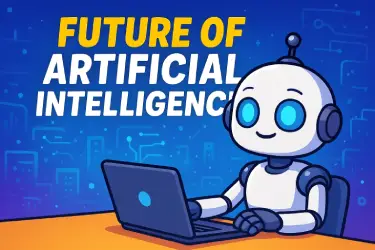
Artificial Intelligence (AI) is no longer just a dream. It is already part of our lives. AI makes our life easy. It helps us work, learn and have fun.We use AI when we ask our phone questions or get movie ideas. But what’s next? What does the future of artificial intelligence really look like? Let’s explore this together in simple words.lga
What Is the Future of AI?
The future of AI is bright and full of surprises. Experts say AI will not only make task easy but also makes machines think more like humans. Imagine computer that understand emotion, cars that drive safely without help and tools that create art or music.
AI is growing fast because it learns from data. The more it learns, the smarter it becomes. Soon, AI will help us solve big problems like climate change, healthcare, and education.
In the future of AI, maybe robots will remind us to eat vegetables or stop scrolling on TikTok!
That’s how smart AI will become — it will care about our health and habits too.
The Evolution and Future of Artificial Intelligence
AI has come a long way. In the past, it could only follow commands. Now, it can learn on its own through something called machine learning.
In the future of artificial intelligence, machine learning is like training a pet but instead of giving it food, you give it data and it keeps learning until it gets smarter!😊
Let’s look at History of AI:
- 1950s: AI started as an idea could a machine think like a human?
- 1980s: Computers began learning simple patterns.
- 2000s: AI entered homes through smartphones and the internet.
- Today: AI helps doctors, teachers, engineers and even artists.
In the future of artificial intelligence, we’ll see systems that don’t just think fast but also think smart. For example, AI could design buildings, write stories or even make laws fairer.
Future Artificial Intelligence Examples
Here are some real and possible examples of how AI might change the world:
- Healthcare: AI will diagnose diseases early by reading X-rays and blood reports faster than humans.
- Transportation: Self driving cars will reduce accidents and traffic jams.
- Education: AI tutors will teach students based on their learning speed.
- Agriculture: Smart drones will check crop health and guide farmers.
- Daily Life: AI home assistants will handle bills, cooking tips and reminders.
These future artificial intelligence examples show that AI will not replace humans it will help them.
Future of Work and Artificial Intelligence
In the future of artificial intelligence people fear robots will take their jobs but do not worry they still can’t enjoy a tea break like us!😊
That’s partly true, but there’s another side.
Yes, AI will do some tasks faster than humans, like data entry or calculations. But it will also create new jobs ones that need creativity, problem solving and empathy.
For example:
- AI developers will design better systems.
- Data analysts will help companies understand machine insights.
- Trainers will teach AI to think ethically.
So, the future of work artificial intelligence is not about losing jobs it’s about changing how we work. Those who learn AI skills will always stay ahead.
Artificial Intelligence and the Future of Humans
AI will touch every part of human life. It will help doctors save lives, teachers personalise lessons and engineers build smarter cities.
But we must also be careful. AI learns from data and data can be biased. If we feed it wrong information, it might make unfair decisions.
That’s why humans must stay in control. AI should support us, not replace us. In the future of artificial intelligence humans and machines will work together a partnership, not a competition.
Future of Artificial Intelligence in Education
Education is one area where AI is already changing everything.
Imagine a student who struggles with maths. AI can spot the weak areas and create a special learning plan. It can adjust the speed, show examples and even give instant feedback.
Teachers can use AI to check assignments faster and track every student’s progress. Schools in countries like Japan and the USA are already testing AI classrooms.
In the future of artificial intelligence in education learning will be personal, flexible and available to everyone.
Future of Artificial Intelligence : Trends, Impacts, and Predictions
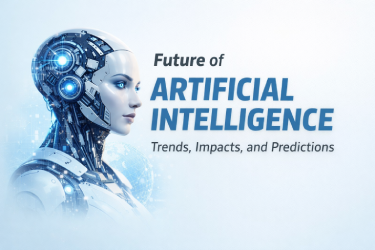
Let’s talk about the trends that will shape the future of artificial intelligence in the next 10 years.
1. Smarter Automation
Smarter automation means machines can do tasks on their own using AI. In the future of artificial intelligence, it will save time, reduce mistakes and make life easier for everyone.
2. Emotional AI
Future machines might read human feelings through tone, face and words. This will make customer service, therapy and communication better.
3. AI and Creativity
In the future of artificial intelligence, AI is helping people create music, art and stories. It works like a smart partner that gives new ideas and makes creativity more fun.
4. Safer and Ethical AI
In the future of artificial intelligence, safer and ethical AI means using technology responsibly. It protects people’s privacy, makes fair decisions and ensures AI helps humans not harms them.
5. AI in Everyday Life
From smart homes to personalized shopping, AI will quietly run in the background, making life easier.
These future of artificial intelligence trends will deeply impact businesses, health systems and education. By 2035, experts predict AI could add trillions of dollars to the world economy.
Conclusion
The future of artificial intelligence is full of hope and opportunities. It will reshape industries, improve education, and help humanity grow smarter.
But remember AI doesn’t have emotions, dreams, or goals. We do. It’s our job to guide this technology and make it work for everyone.
So, are you ready for the AI future? Start learning today and be part of the change. Because the future is not just about machines it’s about humans and AI working together.





- Be Respectful
- Stay Relevant
- Stay Positive
- True Feedback
- Encourage Discussion
- Avoid Spamming
- No Fake News
- Don't Copy-Paste
- No Personal Attacks
- Be Respectful
- Stay Relevant
- Stay Positive
- True Feedback
- Encourage Discussion
- Avoid Spamming
- No Fake News
- Don't Copy-Paste
- No Personal Attacks
