Surface Mount Technology Quick and Easy Explanation
Published: 8 Dec 2025
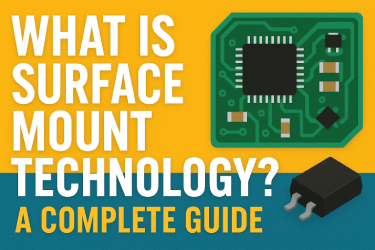
What is Surface Mount Technology (SMT)?
Surface Mount Technology is a modern method used to attach electronic parts directly onto the surface of a printed circuit board (PCB). It is now the main way to make electronic devices. SMT is faster, smaller, and more reliable than older methods like through hole technology.
Today, almost every electronic device you see uses SMT. Smartphones, laptops, smartwatches, LED TVs, and even small gadgets like remote controls depend on SMT to function.
In this guide, we will explain everything about SMT in simple words. You will learn what it is, how it works, the types of components used, advantages, machines involved, tips for beginners, and practical examples.
How Surface Mount Technology Works
Surface Mount Technology works differently from older electronics assembly methods. In older methods, components had wires that went through holes on the PCB. SMT places the components directly on the board’s surface.
The main steps in SMT are:
- Applying Solder Paste
Solder paste is a sticky material that holds the component in place temporarily. It also helps the component connect electrically once the board is heated. - Placing Components
Machines called pick-and-place machines pick up tiny components like resistors, capacitors, ICs, and LEDs and place them precisely on the board. Accuracy is very high. - Soldering Components
After placement, the board goes through a reflow oven. The oven heats the board, melting the solder and fixing the components firmly in place. - Inspection and Testing
After soldering, the board is checked for errors. Machines or technicians check if all components are correctly placed and soldered.
Example: Inside a smartphone, the processor, memory chips, camera module, and small LEDs are all mounted using SMT.
Types of SMT Components
SMT uses many small parts. Each part has a special role. Here are the most common types:
- Resistors: Control the flow of electricity in a circuit.
- Capacitors: Store and release energy when needed.
- Integrated Circuits (ICs): Chips that control devices or process data.
- Diodes: Allow electricity to flow in one direction only.
- LEDs: Lights used in screens and indicators.
- Transistors: Control or amplify electrical signals.
- Inductors: Store energy in a magnetic field.
Example: In a smartwatch, tiny resistors and capacitors control sensors, while ICs manage the display and Bluetooth connection.
Advantages of Surface Mount Technology
SMT has several major advantages over older methods:
- Smaller Device Size
Components are tiny. They can fit into small devices like earbuds or fitness trackers. - Faster Production
Machines place hundreds of components in minutes. Factories can produce more devices in less time. - Better Reliability
Less wiring reduces the chance of errors, short circuits, or broken connections. - Lower Cost
Faster production and smaller components save material and labor costs. - High-Density Assembly
Many components can fit on one board, making advanced devices possible.
Example: Modern LED TVs use SMT to fit thousands of tiny parts on the main board, enabling high performance in a slim design.
SMT vs Through-Hole Technology
Through-hole technology is the older method where component leads go through holes in the PCB. SMT is superior in many ways:
| Feature | Through-Hole | SMT |
|---|---|---|
| Component Placement | Manual | Machine |
| Production Speed | Slow | Fast |
| Size | Larger devices | Compact devices |
| Reliability | Lower | Higher |
| Cost | Higher | Lower |
Example: Old radios used through-hole components. Modern smartphones use SMT for smaller size and better performance.
Machines Used in SMT
SMT relies heavily on machines to place parts accurately. The main machines are:
- Pick-and-Place Machines
These machines pick up components from reels or trays and place them precisely on the PCB. - Solder Paste Printers
They apply solder paste accurately where components will sit. - Reflow Ovens
These ovens heat the board so that solder melts and secures components. - Automated Optical Inspection (AOI)
Machines check the board for placement errors and soldering defects. - X-Ray Inspection Machines
They check hidden solder joints, like under IC chips.
Example: In a factory making LED panels, pick-and-place machines can place 20,000 parts in one hour.
Common Applications of SMT
SMT is everywhere in modern electronics. Some common examples include:
- Smartphones and Tablets – Chips, cameras, and sensors use SMT.
- Laptops and PCs – Motherboards have tiny SMT resistors, capacitors, and ICs.
- Wearables – Smartwatches and fitness trackers use high-density SMT boards.
- LED TVs – Screens and main boards depend on SMT for compact size.
- Home Appliances – Smart fridges, washing machines, and microwave boards use SMT.
Example: A modern smartwatch uses SMT to fit a processor, sensors, display driver, battery management IC, and Bluetooth chip on a tiny board.
Tips for Beginners Learning SMT
Learning SMT can be simple if you start step by step. Here are some tips:
- Handle Boards Carefully
Use anti-static mats and wrist straps to avoid damaging components. - Start with Small Components
Learn using resistors, LEDs, and capacitors before moving to ICs. - Use Magnifiers and Tweezers
Tiny components are hard to see and place by hand. - Practice Soldering
Learn soldering small SMT components with a fine tip iron. - Learn Inspection
Check your boards for proper placement and soldering errors.
Example: Hobbyists often start with Arduino projects using small SMT sensors and LEDs to practice placement and soldering.
Common Challenges in SMT
Even though SMT is advanced, it has challenges:
- Tiny Components – Hard to handle manually.
- Soldering Defects – Bad solder joints can break circuits.
- Static Damage – Sensitive components can be damaged by static electricity.
- Equipment Cost – Machines like pick-and-place or reflow ovens are expensive.
Example: A hobbyist might accidentally damage a microchip if not careful with static or soldering.
Future of SMT
SMT continues to grow as electronics become smaller and faster. New machines can place components even smaller than 0.4 millimeters. SMT will remain the main method for electronics assembly for years.
Example: Smart glasses and medical devices rely on ultra-small SMT components for compact and high-performance designs.
Final Thoughts
What is Surface Mount Technology? SMT is the modern way to build electronic devices. It is fast, compact, and reliable. Learning SMT is important for students, hobbyists, and professionals.
Whether you want to make small gadgets or work in electronics manufacturing, understanding SMT opens many opportunities. Start with small components, practice soldering, and explore machines and inspection methods.
Modern life depends on SMT. Every smartphone, laptop, smartwatch, or smart appliance uses it. By learning SMT, you join the world of advanced electronics.
Frequently Asked Questions About Surface Mount Technology
1. What is Surface Mount Technology?
Answer: Surface Mount Technology (SMT) is a way to attach electronic parts directly onto the surface of a printed circuit board (PCB). Unlike older methods, there are no holes for the component wires. SMT is faster, smaller, and more reliable.
Example: In a smartphone, the processor, memory chips, and LEDs are all placed using SMT.
2. How is SMT different from through-hole technology?
Answer: Through-hole technology uses component wires that go through holes in the PCB. SMT places components on the board’s surface without holes.
Example: Old radios used through-hole components, but modern smartwatches use SMT to fit tiny parts on small boards.
Benefits of SMT over through-hole:
- Faster production
- Smaller device size
- Higher reliability
- Lower cost
3. What are the main components used in SMT?
Answer: SMT uses many small components. Common ones are:
- Resistors – control electricity flow
- Capacitors – store and release energy
- ICs (Integrated Circuits) – small chips that control devices
- Diodes – allow electricity to flow one way
- LEDs – lights in displays
- Transistors – amplify or switch signals
Example: A laptop motherboard has hundreds of resistors, capacitors, and ICs mounted using SMT.
4. How does SMT work?
Answer: SMT works in three main steps:
- Solder paste application – paste holds parts in place and conducts electricity.
- Component placement – machines place tiny parts on the PCB.
- Soldering (reflow) – heating melts the solder and fixes parts.
Example: In a TV remote, buttons, LEDs, and small ICs are mounted using this process.
5. What are the advantages of SMT?
Answer: SMT has many benefits:
- Smaller size for compact devices
- Faster production in factories
- Higher reliability due to fewer wires
- Cost-effective because of less material and labor
- Can fit many components on one board
Example: Modern LED TVs use SMT to fit thousands of components in slim designs.
6. Can beginners learn SMT?
Answer: Yes, beginners can learn SMT step by step. Start with small parts like resistors and LEDs. Practice soldering and learn to handle boards carefully. Use tools like tweezers, magnifiers, and anti-static mats.
Example: Hobbyists often start with Arduino projects using SMT sensors and LEDs.
7. What machines are used in SMT?
Answer: Key machines include:
- Pick-and-place machines – place components accurately
- Solder paste printers – apply solder paste
- Reflow ovens – melt solder to fix parts
- AOI (Automated Optical Inspection) – check for errors
- X-ray machines – inspect hidden solder joints
Example: Factories making smartphones can place 20,000 components per hour using pick-and-place machines.
8. What are common challenges in SMT?
Answer: Challenges include:
- Tiny components are hard to handle manually
- Soldering defects can break circuits
- Static electricity can damage sensitive parts
- Equipment can be expensive
Example: A beginner might accidentally damage a microchip if not careful with soldering or static.
9. Why is SMT important for modern electronics?
Answer: SMT is important because modern devices need small, fast, and reliable circuits. It allows high-density boards and advanced technology in compact spaces.
Example: Smartwatches, smartphones, and medical devices all rely on SMT to fit powerful electronics in small sizes.
10. How can I start learning SMT at home?
Answer: Beginners can start by:
- Using small SMT kits for practice
- Learning to solder tiny resistors, capacitors, and LEDs
- Watching tutorials on pick-and-place and reflow processes
- Practicing inspection and testing of boards
Example: Many electronics hobbyists start with DIY Arduino kits that include SMT components.






- Be Respectful
- Stay Relevant
- Stay Positive
- True Feedback
- Encourage Discussion
- Avoid Spamming
- No Fake News
- Don't Copy-Paste
- No Personal Attacks
- Be Respectful
- Stay Relevant
- Stay Positive
- True Feedback
- Encourage Discussion
- Avoid Spamming
- No Fake News
- Don't Copy-Paste
- No Personal Attacks
