What Is Agnostic Technology and How Does It Work
Published: 11 Jul 2026
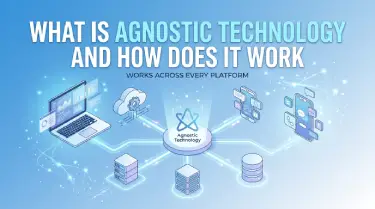
Agnostic Technology is changing the way people build and use modern software. Many companies want tools that work on different platforms. They do not want to depend on one system or one vendor. This is why Agnostic Technology is becoming more popular every year.
But what is Agnostic Technology and how does it work? The answer is simple. It is a way to build software or systems that can work in many different environments. It gives users more freedom and better flexibility.
For example a cloud app can run on Windows Linux and macOS without major changes. This helps businesses save time and money. It also makes future upgrades much easier.
Table of Contents
What Is Agnostic Technology?
Agnostic Technology is a design approach that allows software systems or tools to work with different platforms devices or services. It does not depend on one company one operating system or one type of hardware.
The word agnostic means not limited to one choice. In technology it means a product can work in many environments without major changes.
For example Google Chrome works on Windows macOS Linux Android and iPhone. It gives users the same experience on different devices. This is a simple example of Agnostic Technology.
Many businesses choose Agnostic Technology because it gives them more freedom. They can change their cloud provider operating system or hardware without rebuilding everything from the beginning.
This approach also makes software easier to update manage and grow. It helps companies avoid vendor lock in and supports future business needs.
How Agnostic Technology Works
Agnostic Technology works by using common standards and compatible tools. Developers create software that is not tied to one platform. Instead they use technologies that many systems can understand.
For example a web application built with HTML CSS and JavaScript can open in different browsers and operating systems. Users do not need special software to access it.
Another example is cloud services. A company can design its application so it runs on AWS Microsoft Azure or Google Cloud. If one provider becomes expensive the company can move to another provider with fewer changes.
This method gives businesses more control. It also reduces risk because they are not dependent on one technology partner.
Types of Agnostic Technology
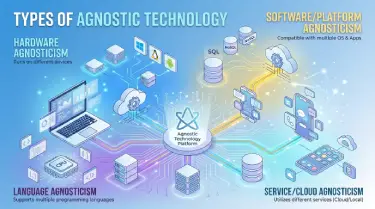
There are many types of Agnostic Technology. Each type helps users stay flexible and work across different systems.
Platform Agnostic
Platform agnostic software works on different operating systems such as Windows macOS and Linux. Users get the same features on every platform.
Cloud Agnostic
Cloud agnostic applications can run on different cloud providers. A business can use AWS Azure or Google Cloud without changing the whole application.
Vendor Agnostic
Vendor agnostic technology does not depend on one company. Businesses can choose different products and services that meet their needs.
Device Agnostic
Device agnostic software works on desktops laptops tablets and smartphones. Users enjoy the same experience on every device.
Database Agnostic
Database agnostic applications support different database systems such as MySQL PostgreSQL and Microsoft SQL Server. This makes future database changes much easier.
These types of Agnostic Technology help businesses build flexible systems that can grow with changing technology.
Benefits of Agnostic Technology
Agnostic Technology gives many benefits to businesses and users. It helps companies build software that can grow with new technology. It also makes future changes much easier.
Better Flexibility
Agnostic Technology works with different platforms and services. A business can change its operating system cloud provider or hardware without rebuilding the whole project.
Lower Costs
Companies do not need to buy products from one vendor all the time. They can compare different services and choose the best option for their budget.
Easy Scalability
As a business grows its software can grow too. Teams can add new tools or move to better systems without creating a new application.
Better User Experience
People use different devices every day. Agnostic Technology helps software work well on computers tablets and smartphones. Users enjoy the same experience on every device.
Reduced Vendor Lock In
Many businesses do not want to depend on one company. Agnostic Technology gives them the freedom to switch vendors whenever they need.
Faster Innovation
Developers can use modern tools and update software more quickly. This helps businesses stay competitive in a fast changing digital world.
Real World Examples of Agnostic Technology
Agnostic Technology is already part of our daily life. Many popular products use this approach to reach more users.
Web Browsers
Google Chrome and Mozilla Firefox work on Windows macOS Linux Android and iPhone. Users can enjoy the same browser on many devices.
Cloud Applications
Many companies build cloud apps that can run on AWS Microsoft Azure and Google Cloud. This gives businesses more freedom and better control.
Video Meeting Apps
Apps like Zoom work on laptops desktops tablets and smartphones. People can join meetings from almost any device.
Programming Languages
Languages like Java are designed to run on many operating systems. Developers write the code once and use it on different platforms.
Streaming Services
Many streaming platforms work on smart TVs mobile phones tablets and web browsers. Users can watch their favorite content anywhere.
These examples show how Agnostic Technology makes software more flexible and easy to use.
Agnostic Technology vs Platform Specific Technology
Agnostic Technology and Platform Specific Technology have different goals. One focuses on flexibility while the other focuses on one platform.
| Agnostic Technology | Platform Specific Technology |
|---|---|
| Works on many platforms | Works on one platform only |
| Gives more flexibility | Gives limited flexibility |
| Easy to move to another system | Hard to switch platforms |
| Reduces vendor lock in | Often depends on one vendor |
| Good for long term growth | Best for special platform features |
For example a website that works on every browser is an example of Agnostic Technology. An app built only for iPhone is an example of Platform Specific Technology.
The right choice depends on your business goals. If you want more flexibility Agnostic Technology is often the better option.
Challenges of Agnostic Technology
Agnostic Technology offers many benefits but it also has some challenges.
More Development Time
Building software for many platforms can take more time. Developers must test the application in different environments.
Higher Initial Cost
The first version may cost more because extra planning and testing are needed.
Feature Limitations
Some platforms have special features that cannot work the same way everywhere. Developers may need to avoid platform specific functions.
Complex Testing
Testing becomes more difficult because the software must work on different devices operating systems and cloud services.
Performance Differences
The same application may perform differently on different platforms. Regular updates and testing help solve these issues.
Even with these challenges many businesses choose Agnostic Technology because its long term benefits are greater than the initial effort.
Future of Agnostic Technology
The future of Agnostic Technology looks very bright. More businesses now use cloud services remote work and smart devices. They need software that works everywhere. This is why Agnostic Technology will become more important in the coming years.
Artificial Intelligence is also increasing the demand for flexible systems. Companies want AI tools that work with different cloud platforms databases and operating systems. Agnostic Technology makes this possible.
The Internet of Things is another growing area. Smart homes smart cars and smart factories use many different devices. Agnostic Technology helps these devices work together without major problems.
Small businesses also benefit from this approach. They can start with one platform and move to another as they grow. This saves money and reduces future risks.
In the future more developers will build software that is flexible secure and easy to move. Businesses that adopt Agnostic Technology today will be ready for tomorrow’s digital world.
Conclusion
Agnostic Technology is a smart way to build modern software and digital systems. It gives businesses more freedom better flexibility and lower long term costs. It also helps software work across different platforms devices and cloud services.
Whether you are a developer business owner or student understanding Agnostic Technology is a valuable skill. It helps you choose solutions that are ready for future changes instead of depending on one platform or one vendor.
As technology continues to grow the demand for flexible software will also increase. Learning Agnostic Technology today can help you build better systems and make smarter technology decisions in the future.
FAQs
What is agnostic in technology?
In technology agnostic means a system software or tool is not limited to one platform vendor or operating system. It can work with different technologies.
What does agnostic mean?
The word agnostic means not choosing or depending on one specific option. In technology it describes products that work in many environments.
What is agnostic software?
Agnostic software is software that runs on different operating systems devices or cloud platforms without major changes.
What does agnostic mean in business?
In business agnostic means using solutions that are flexible and not tied to one vendor. This helps companies change providers more easily.
What is a technology agnostic example?
A website that works on Windows macOS Linux Android and iPhone is a simple example of Agnostic Technology.
What is the meaning of an agnostic approach?
An agnostic approach means designing products that support many platforms and technologies instead of only one.
What is a technology agnostic synonym?
Common synonyms include platform independent, vendor neutral, cross platform, and platform neutral. The exact meaning depends on the context.
What does system agnostic mean?
System agnostic means a system can work with different operating systems or environments without depending on one specific system.
What does tool agnostic mean?
Tool agnostic means a process or software can use different tools instead of requiring one specific tool.
What does team agnostic mean?
Team agnostic means a process or workflow can be used by any team. It is not designed for only one department or group.
What does agnostic design mean?
Agnostic design means creating products that work across different platforms devices or technologies. This improves flexibility and compatibility.
What does cloud agnostic mean?
Cloud agnostic means an application can run on different cloud providers such as AWS Microsoft Azure and Google Cloud without major changes.






- Be Respectful
- Stay Relevant
- Stay Positive
- True Feedback
- Encourage Discussion
- Avoid Spamming
- No Fake News
- Don't Copy-Paste
- No Personal Attacks
- Be Respectful
- Stay Relevant
- Stay Positive
- True Feedback
- Encourage Discussion
- Avoid Spamming
- No Fake News
- Don't Copy-Paste
- No Personal Attacks
